



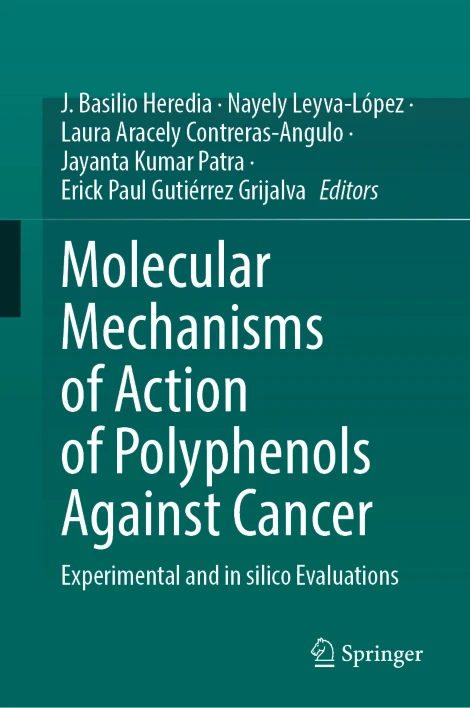
Molecular Mechanisms of Action of Polyphenols Against Cancer Experimental and in silico Evaluations (PDF)
6 $
Format: Publisher PDF
Recent and ongoing epidemiological studies point to the beneficial health effects of dietary polyphenols, with evidence suggesting that individuals with a high intake of polyphenol-rich foods have less incidence of noncommunicable diseases like diabetes, cardiovascular problems, and cancer. Multidisciplinary research on dietary polyphenols and what causes them to exert such benefits has led to discoveries which can help us to understand the mechanisms of action of these molecules, including the structure-activity relationships of polyphenols, the modulatory effects exerted on enzymes, reactive oxygen species, protein interactions, and the regulation of expression of some transcription factors.
In recent years, increased interest in bioinformatic studies has helped scientists predict and evaluate the interactions of polyphenols with protein targets involved in the onset and development of different types of cancer. Likewise, in silico evaluations coupled with experimental studies are a rising trend in many research areas. This contributed volume critically summarizes the experimental and in silico molecular mechanisms of action of dietary polyphenols, including phenolic acids, anthocyanins, flavanols, flavanones, and flavones against cancer. It is designed for researchers in academia and industry focused on cancer immunology and therapeutics, medicinal chemistry, and food science (functional foods, nutraceuticals, natural products, food technology), as well as graduate students preparing for a career in these areas.
Softcover ISBN
978-3-031-99603-0
Due: 11 October 2026
Be the first to review “Molecular Mechanisms of Action of Polyphenols Against Cancer Experimental and in silico Evaluations (PDF)”
You must be logged in to post a review.
Related products








Reviews
There are no reviews yet.