

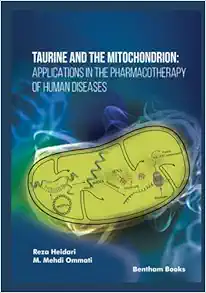
Taurine and the Mitochondrion: Applications in the Pharmacotherapy of Human Diseases (PDF)
6 $
Format: Publisher PDF
File Size : 37.2 MB
Publication Year: 2023
By Reza Heidari, M. Mehdi Ommati Taurine, or 2-aminoethanesulfonic acid, is one of the most abundant sulfur-containing amino acids in the human body. It is found in the heart, brain, retina, and skeletal muscles, and is synthesized in the pancreas. Studies have revealed that taurine is of high physiological importance: it protects against pathologies associated with mitochondrial diseases, and linked processes like aging, metabolic syndrome, cancer, cardiovascular diseases, and neurological disorders. It is also used as a nutritional supplement.Taurine and the Mitochondrion: Applications in the Pharmacotherapy of Human Diseases explores the significance of taurine in the biology of mitochondria. It also explains its role as a pharmacological agent for treating different diseases. Readers will gain an insight into the crucial role it plays in human physiology and the benefits of taurine supplements.Topics covered in this reference include- Synthesis of taurine and its dietary sources- The Role of taurine in mitochondrial health- Taurine as a neurotransmitter- Beneficial effects of taurine in physiological systems such as the reproductive system, renal system, and the gastrointestinal tract- Hepatoprotective and anti-inflammatory properties of taurine- The anti-aging promise of taurine supplementation- Role of taurine supplementation in obesity
Product Details
Publisher : Bentham Science Publishers (March 31, 2023)
Language : English
Hardcover : 342 pages
ISBN-10 : 9815124498
ISBN-13 : 978-9815124491
Be the first to review “Taurine and the Mitochondrion: Applications in the Pharmacotherapy of Human Diseases (PDF)”
You must be logged in to post a review.
Related products






Reviews
There are no reviews yet.